A design function, run on automation.
Four systems did the heavy lifting: an AI brief generator that turns any request into a designer-ready brief, an alignment concierge trained on every department's plan, an automated Jira workflow that reads feedback and routes it, and Canva as a self-serve toolbox.
Requesters aren't designers.
The people who need design cannot always describe it in a way designers can act on. The PMM knows the business goal, not the visual language. The engineer has something technical to convey and no reference to hand over. The exec says make it pop. Every unclear ask routed through the design team just to be decoded first. That translation gap, not effort, was the real bottleneck.
Translate, then automate.
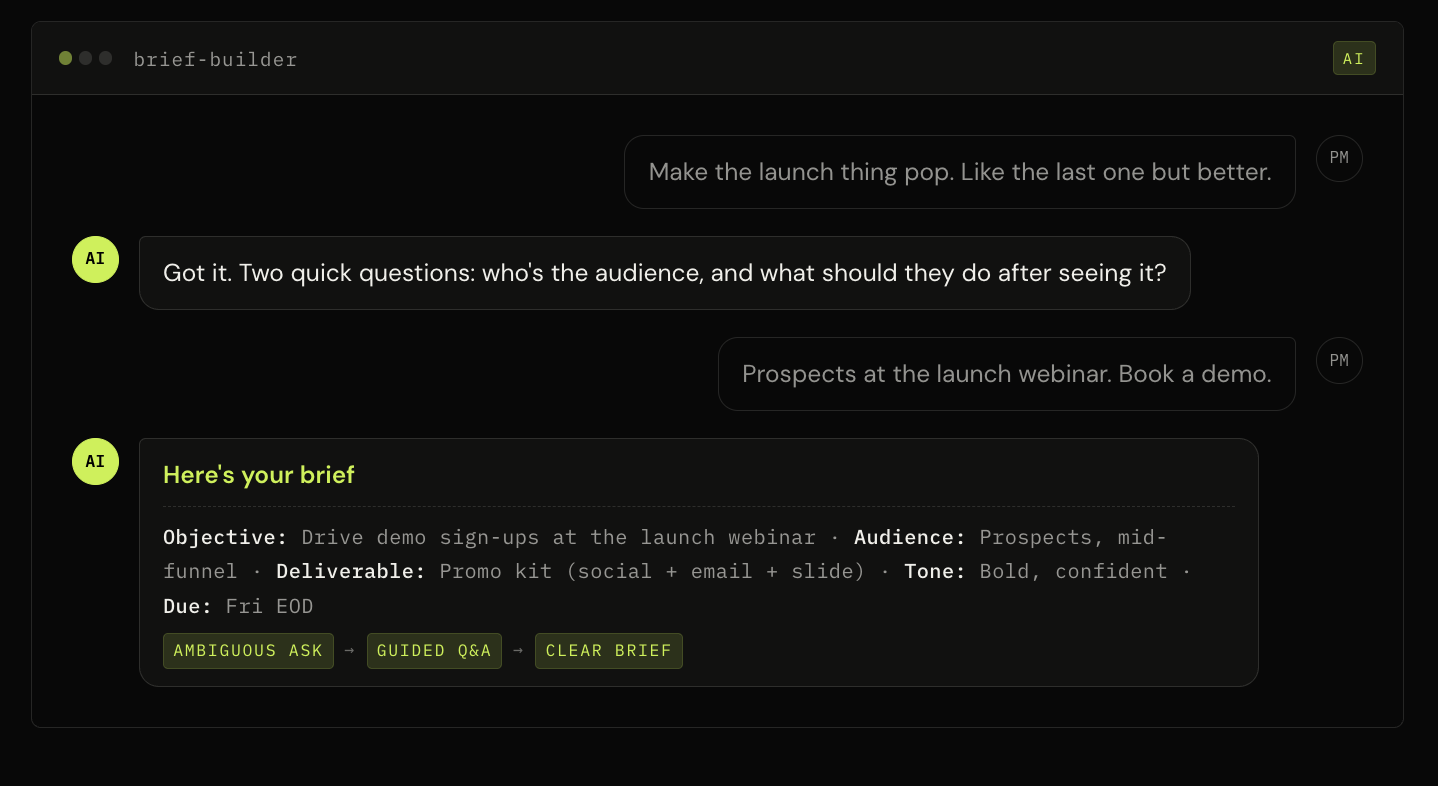
An AI brief generator translates the ask into something designers can act on, then a Jira workflow routes it to the right person automatically.
A guided tool that draws out the real ask.
It works out what someone is actually trying to accomplish, then translates it into a clear, on-brand brief designers can act on.
Goals that ladder up.
Every department lead's plan is uploaded, and the model trains on all of it. Then anyone in the org can ask about goals, forecasts, and objectives in plain language. It surfaces the goals across the company that influence your job, or writes goals that ladder up to them.
Nothing sits waiting in an inbox.
The workflow reads an incoming request or piece of feedback, understands what it is about, opens the right Jira ticket, and notifies the right person automatically, so every hand-off is tracked.
An approved toolbox anyone can use.
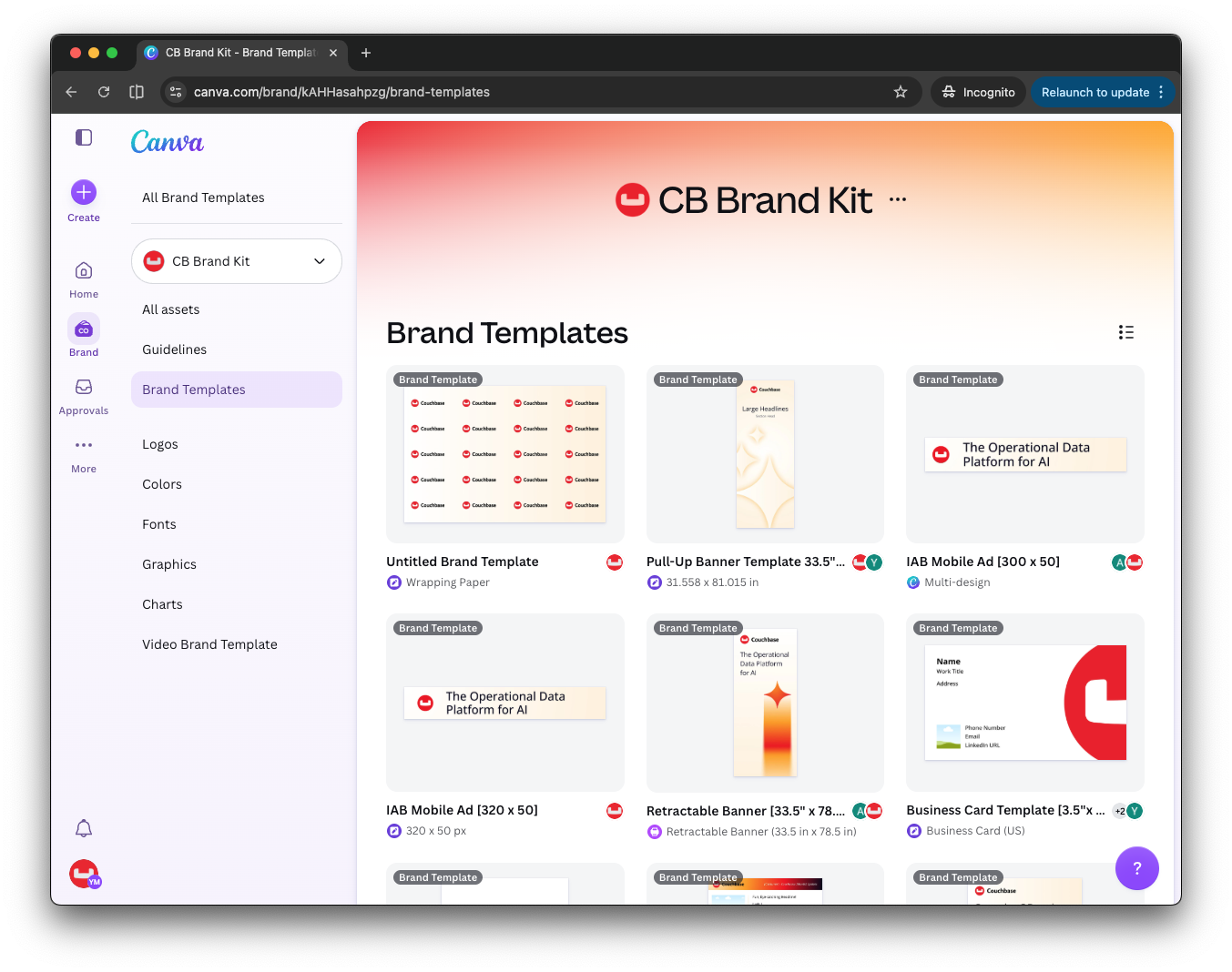
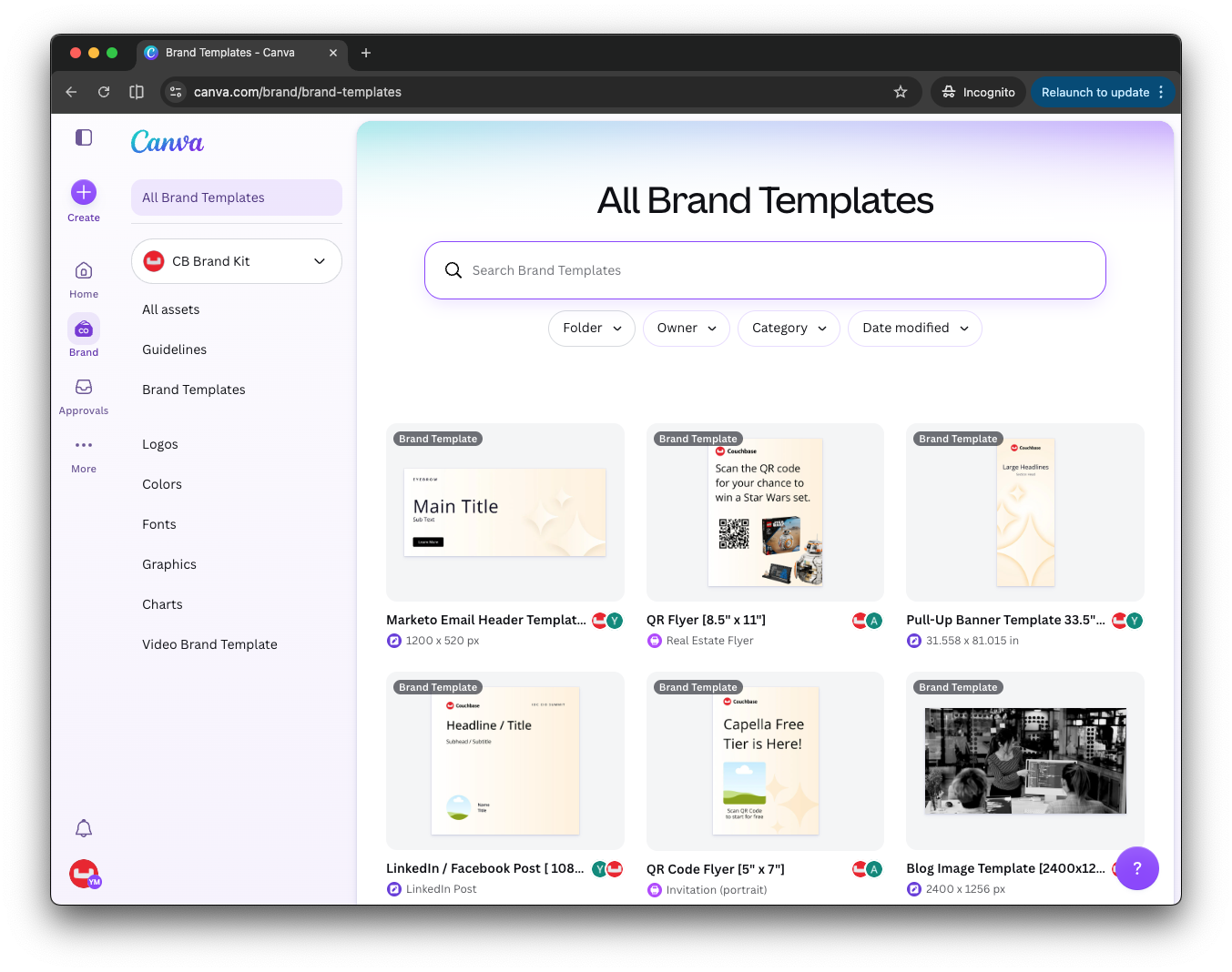
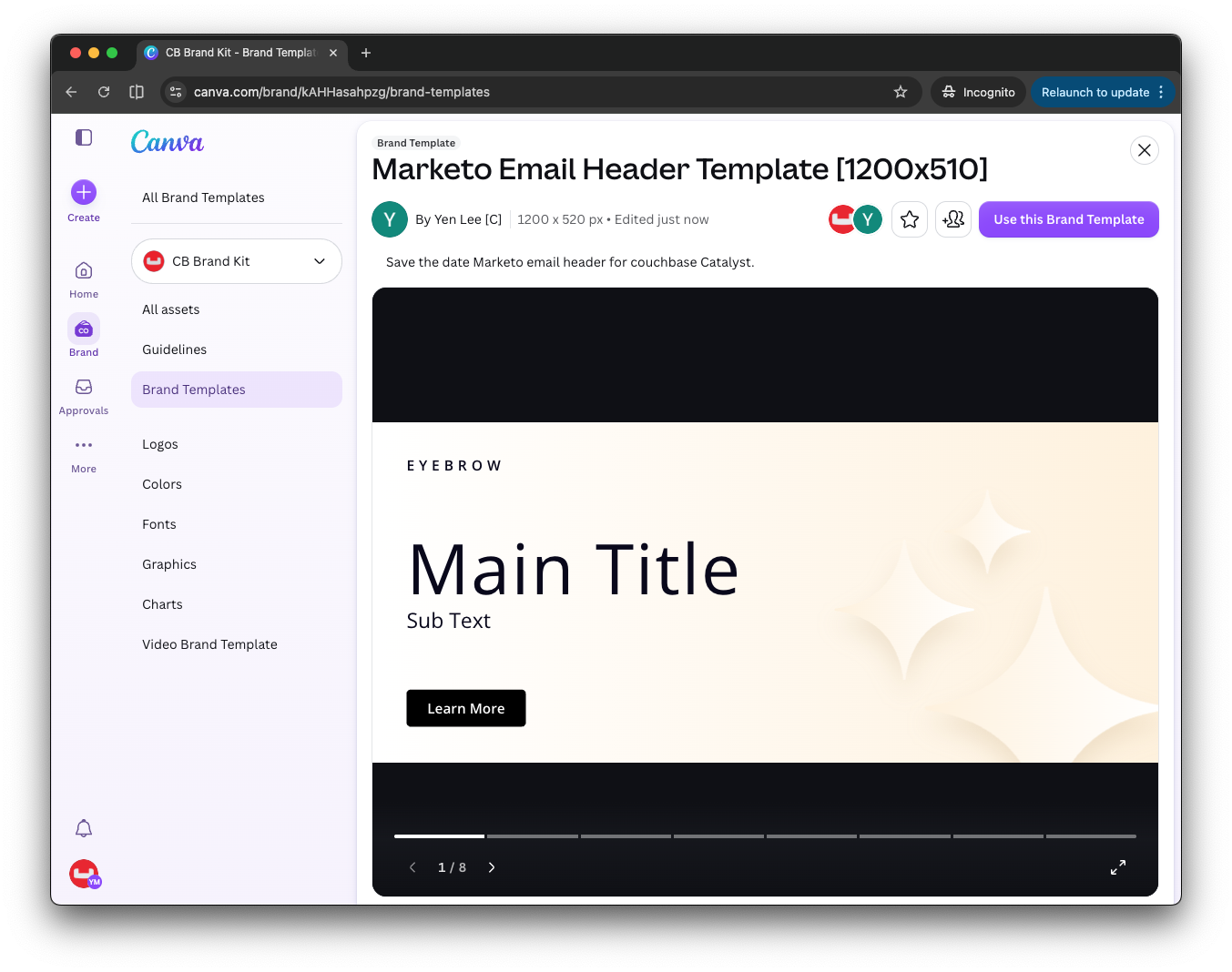
The brand guide, templates, styles, themes, and libraries all live in Canva. Anyone can build their own on-brand design from vetted elements, and when they are done it goes for approval automatically, taking routine requests off the design team entirely.
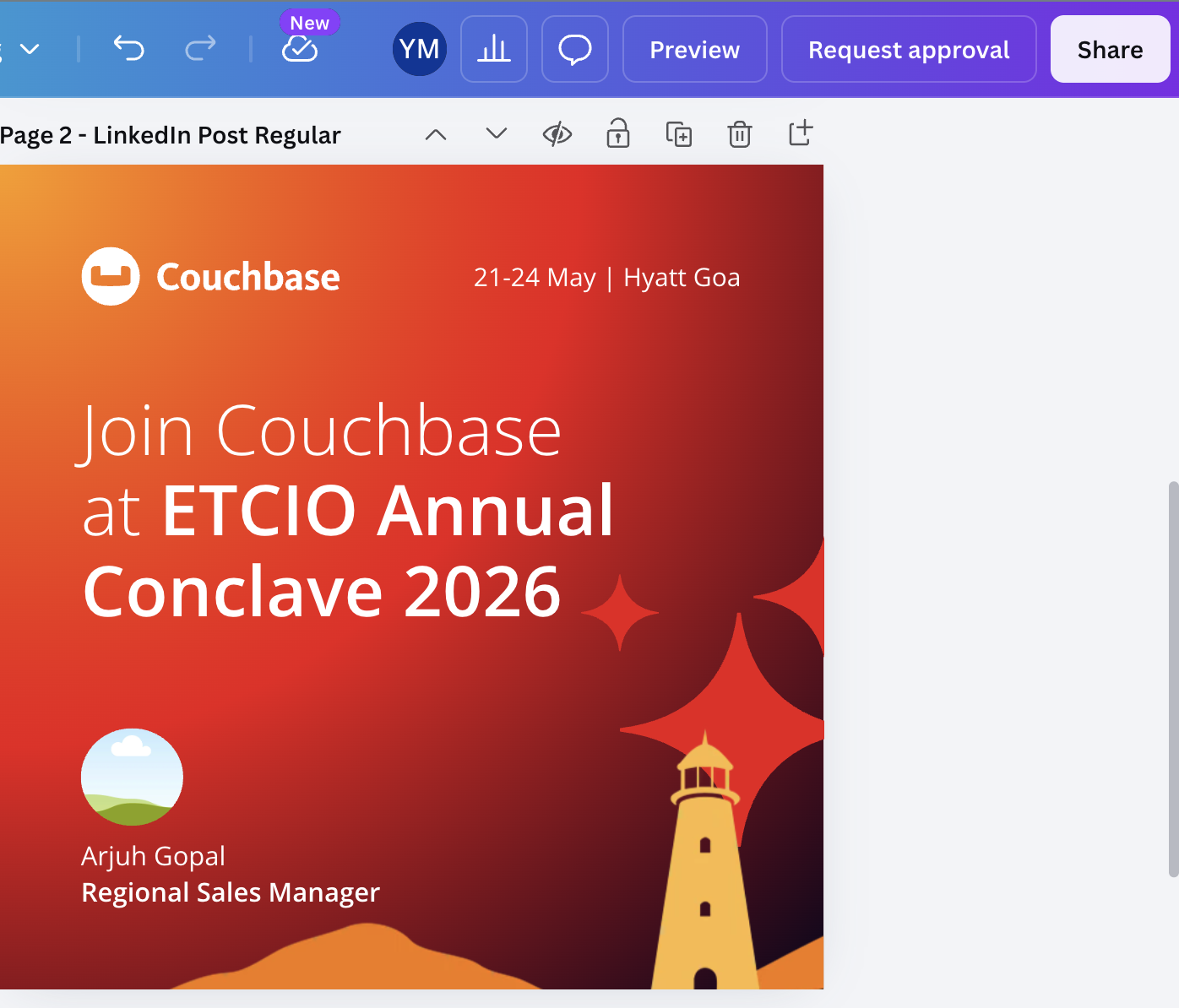
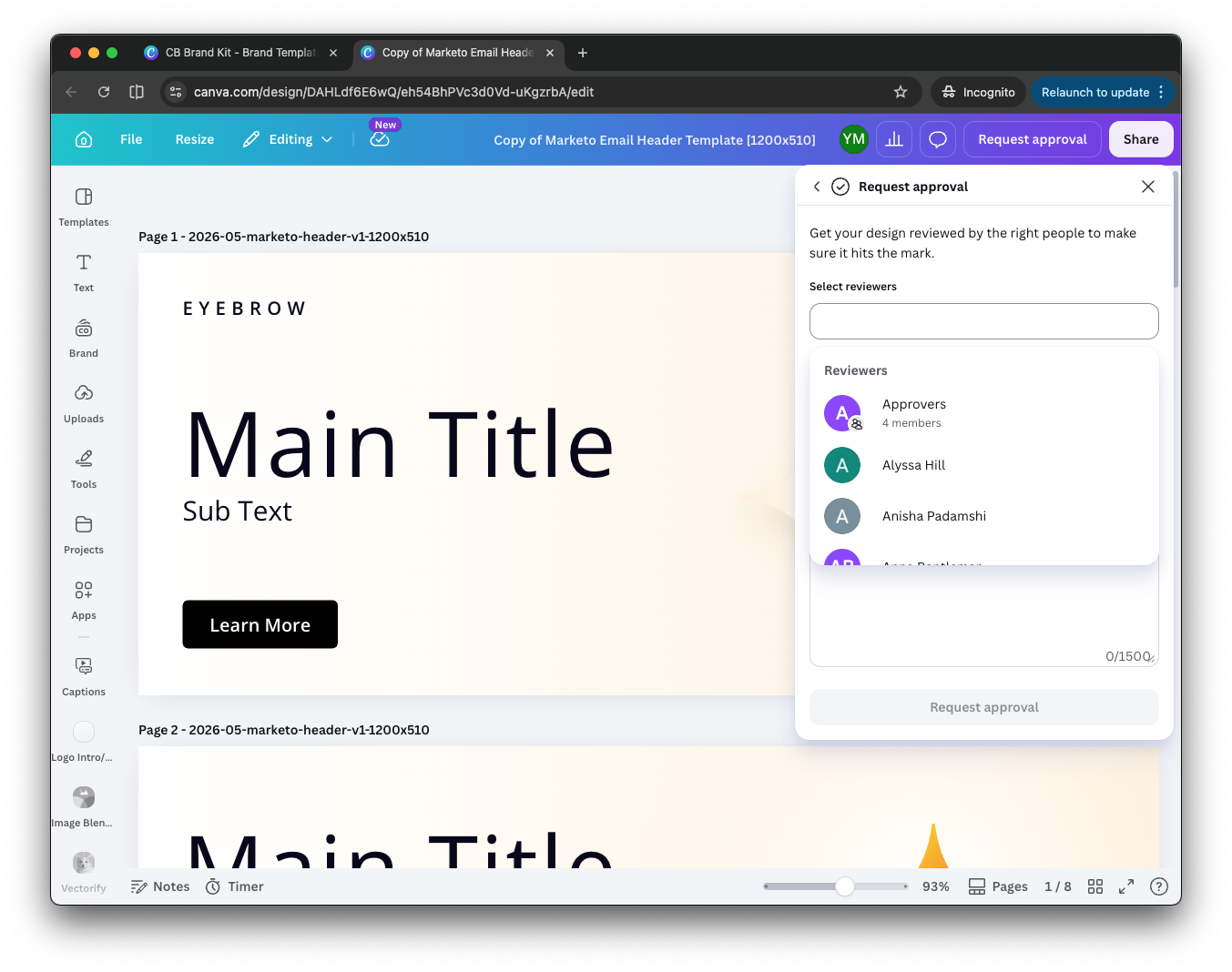
Approval · Auto-sent and logged
Good work, made routine.
The system let a lean team produce at pace and freed the designers to spend their time on the work that mattered.